

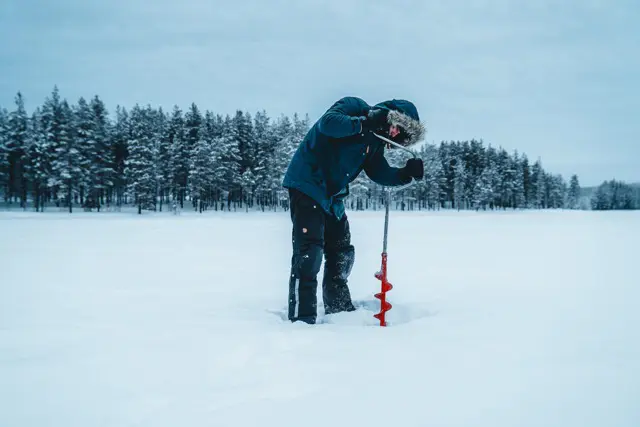
What clothing do I need?

A trip to Lapland in winter is an unforgettable experience, but the extreme cold requires careful preparation when it comes to clothing. Temperatures can drop to as low as -30°C, so it's essential to dress properly to stay warm and comfortable. Here are some tips to help you prepare for the cold conditions in Lapland.
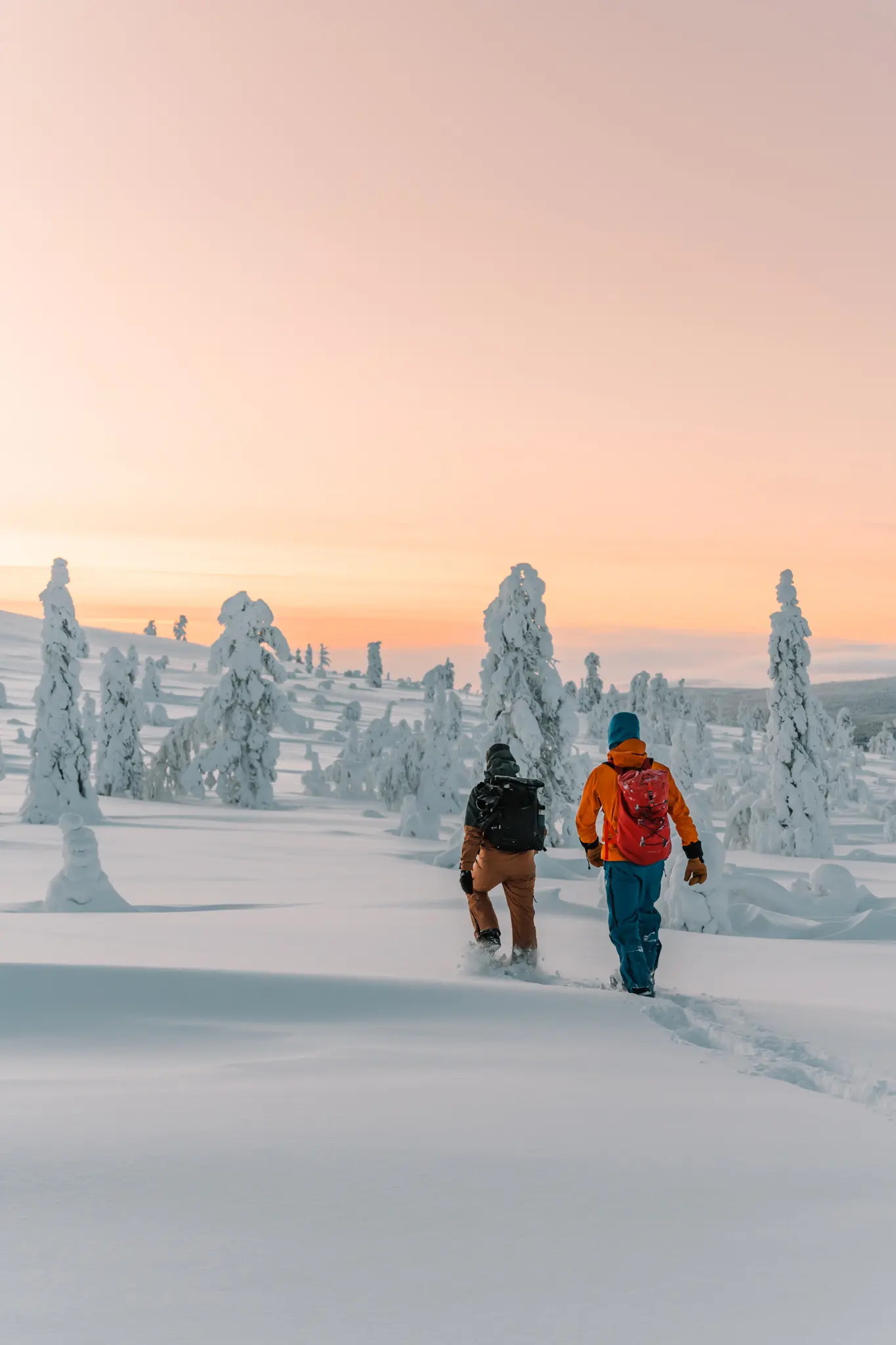
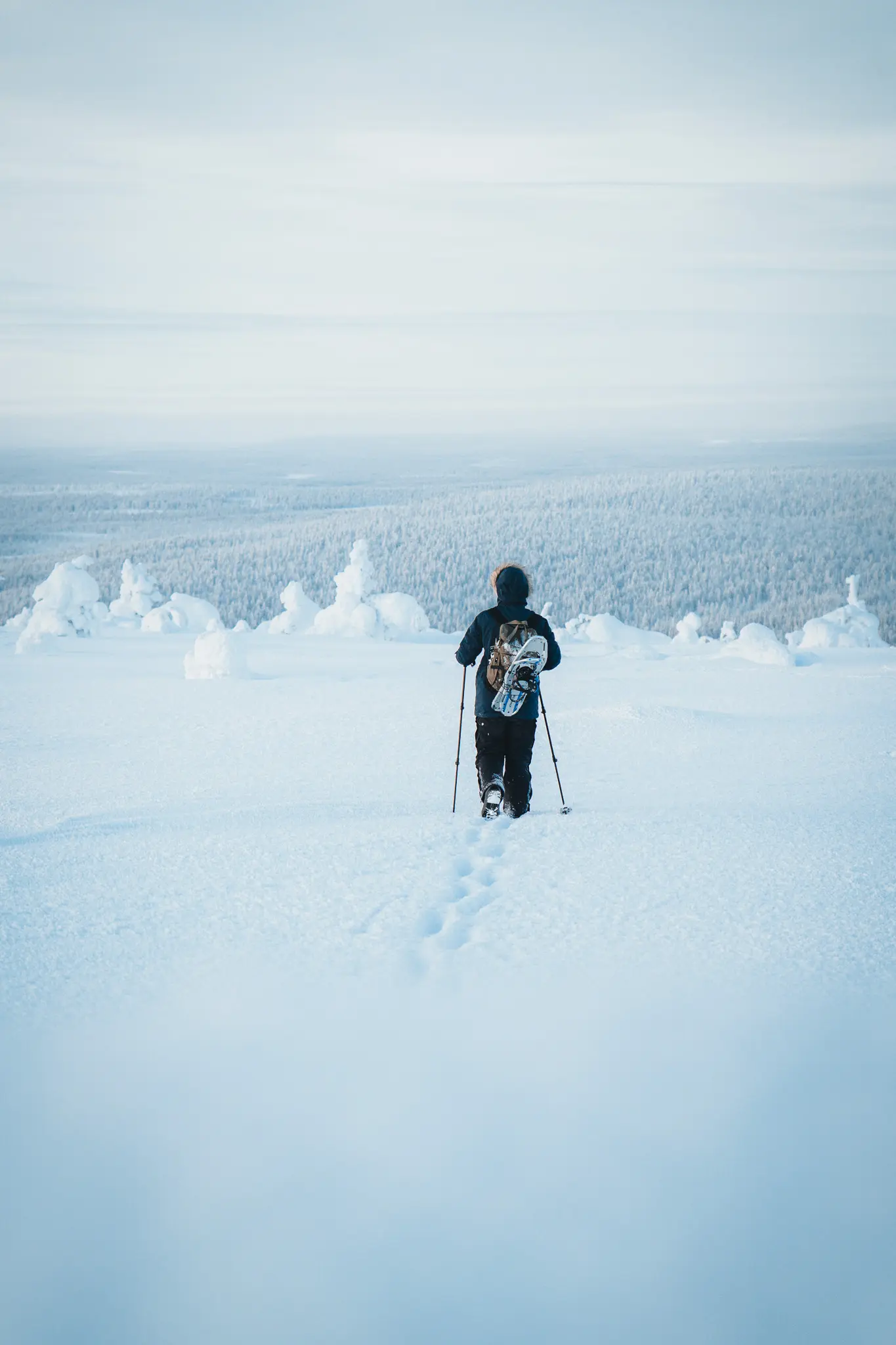
The Layering System

Wearing multiple layers of clothing helps regulate your body temperature and provides optimal protection against the cold. The layering system consists of three main layers:

  • Base layer: This layer sits directly on your skin and is designed to wick moisture (sweat) away to keep you dry. Opt for thermal underwear made from materials like merino wool or synthetic fabrics; avoid cotton, as it holds moisture and will cool you down quickly.
  • Insulating layer (mid-layer): This layer retains body heat. Fleece sweaters or wool pullovers are excellent choices because they insulate well and allow moisture to escape. In extremely cold temperatures, you can wear multiple insulating layers for extra warmth.
  • Outer layer (shell layer): This protects against wind, snow, and rain. A waterproof and windproof jacket and pants (like hardshells) are essential to keep the elements out while allowing moisture from the inside to escape.

Protect Hands, Feet, and Head

  • Head: Wear a warm hat that also covers your ears. A balaclava or a buff can provide extra protection in extremely low temperatures.
  • Hands: Mittens are warmer than gloves because your fingers keep each other warm. A combination of thin inner gloves and thick waterproof mittens works well.
  • Feet: Opt for thick wool socks and insulated, waterproof boots. Make sure your shoes fit well enough so your toes have enough room to move and aren’t cramped.
Team Lapland Travel

Extra Clothing Tips for the Cold

  • Don't wear cotton, as it holds moisture and makes you cool down faster. Opt for wool or synthetic materials instead.
  • Layers are more effective than a single thick jacket, as they retain warmth better and can be adjusted to the temperature.
  • Accessories: Consider bringing sunglasses or ski goggles to protect against the reflection of sunlight on the snow.

What clothing is recommended for a trip to Lapland?

It is recommended to dress in layers. Start with thermal underwear, followed by an insulating layer like a fleece sweater, and finish with a waterproof and windproof outer layer. Don't forget to bring warm accessories like hats, scarves, and gloves.

What do I need to bring myself if I rent thermal clothing?

You need to bring your own base layers, such as thermal underwear, a warm sweater, and winter or ski clothing. The rented gear serves as extra protection against the cold and is worn over your own clothes.

Are the thermal boots suitable for all activities?

Yes, thermal boots are designed to keep your feet warm and dry during various winter activities. However, it's advisable to also bring a comfortable pair of your own shoes for indoors or short outings.

What is the best time to visit Lapland in terms of clothing needs?

The best time is from December to the end of March. In December and January, the days are shorter and temperatures can drop to an average of -25°C, which calls for extra warm clothing layers. In February and March, the days get longer and temperatures hover around -10°C, but it's still essential to dress well in layers.

Which gloves are the best to bring along?

It's advisable to wear thick waterproof and windproof mittens instead of gloves, as they keep your fingers warmer. Additionally, it's handy to wear a thin liner glove so you can still perform some tasks without directly exposing your hands to the cold.

What should I wear for a northern lights excursion or a dog sledding trip?

Since you'll be sitting or standing still for a long time during these activities, you should dress extra warmly. Wear multiple layers, a good insulated winter coat, thick mittens, a warm hat, and possibly a face mask or buff to protect your face from the cold and wind.

Do I need special socks for Lapland?

Yes, it's important to wear good wool or thermal socks. Avoid cotton socks, as they retain moisture and can make your feet colder. Wearing two thin layers (a moisture-wicking layer and an insulating layer) can help keep your feet extra warm.

Popup content